
Integrated compliance, remediation, and operational management for underground and aboveground storage tank systems across regulated retail petroleum and industrial environments.
Connect with our team to discuss site conditions, regulatory requirements, and next steps for your project.
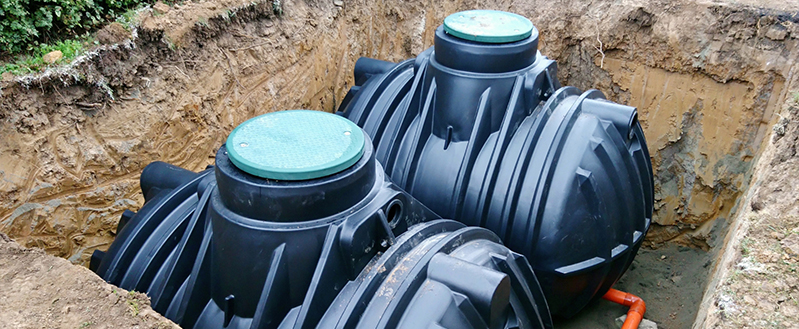
Synergy coordinates environmental management for individual facilities and large multi-site portfolios, supporting due diligence, regulatory communication, insurance coordination, and on-site activity oversight. Services are structured to provide clear reporting, informed decision-making, and consistent execution across complex operating environments.
Appropriate due diligence for buyers and sellers of retail petroleum properties is guided by decades of transactional experience and careful use of existing technical documentation, including prior site assessments and electronic records. Work is performed with professionalism, confidentiality, and coordination among all entities involved in the transaction process.
Evaluation of environmental liabilities also includes identification of available third-party funding sources. These may include insurance coverage, state-administered underground storage tank funds, grant or incentive programs, indemnity agreements, and remediation escrow accounts. Funding availability is incorporated into environmental budgeting, scope development, and long-term planning.
Experienced personnel respond to storage tank removal, installation, and upgrade activities in accordance with applicable local and state regulatory requirements. Services support site investigation, remediation, and coordinated field operations necessary to maintain compliance and operational continuity.
Field and remediation capabilities may include:
Collaboration with remediation equipment specialists further supports efficient, functional system deployment while helping control overall project costs.
Environmental compliance and inventory management are supported through a proprietary web-based monitoring platform that communicates with existing automatic tank gauge systems to provide real-time operational visibility. This approach simplifies compliance management and improves oversight of retail petroleum storage systems that are typically complex and time-intensive to manage.
Operator training programs are available to satisfy federal Energy Act requirements for A, B, and C operator certification at retail petroleum facilities. Training supports regulatory compliance while strengthening operational awareness and environmental responsibility at the site level.
Synergy approaches storage tank management through a structured contracting methodology focused on resolving environmental conditions that affect ongoing business operations.
Step 1 – Determine Funding Availability
Before project initiation, potential funding sources are evaluated, including state underground storage tank programs, private insurance obligations, and contractual indemnities associated with property transfers.
Step 2 – Identify Objectives & Endpoints
Following funding evaluation, scopes of work are developed using site-specific environmental conditions, regulatory closure frameworks, future land-use objectives, and the presence of sensitive receptors. Key considerations include:
This process supports practical remediation planning, regulatory alignment, and defensible closure strategies.
Find clear answers to common questions about storage tank compliance, remediation responsibility, monitoring, and regulatory coordination. This guidance supports informed planning and environmental risk management.
Connect with our team to review site conditions, regulatory considerations, and next steps. We provide clear guidance from initial evaluation through project completion.

Copyright © 2026 Synergy Environmental Inc.