
Cost-conscious remedial solutions designed to achieve regulatory closure while minimizing operational disruption and project uncertainty.
Connect with our team to discuss site conditions, regulatory requirements, and next steps for your project.
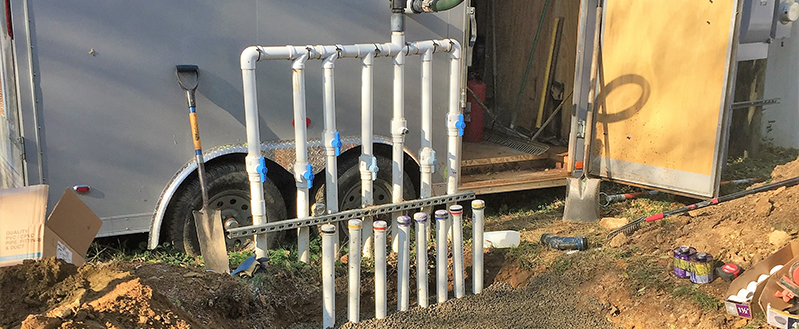
When remediation is required, the primary concern is how environmental conditions affect ongoing business operations, regulatory obligations, and project timelines. Synergy develops practical implementation strategies that maintain operational continuity while advancing sites toward defensible closure.
A core strength of Synergy is the ability to define an appropriate scope of work and execute remediation projects from initial planning through completion. Projects may range from focused corrective actions to complex, multi-phase programs requiring coordination across technical disciplines and subcontracted services.
Successful execution is supported by the collective experience of Synergy’s professional staff and long-standing relationships with qualified subcontractors. This structure enables consistent scheduling, clear communication, and reliable project delivery across varying site conditions and regulatory frameworks.
Synergy designs, installs, and operates established remediation technologies used to address soil, groundwater, and vapor impacts. Commonly applied methods include pump-and-treat systems, air sparging, soil vapor extraction, and combined removal approaches selected according to contaminant characteristics and site conditions.
Equipment is deployed as needed to achieve effective remedial performance, and existing system components may be adapted for site-specific use to reduce capital cost. Close coordination with remediation equipment specialists further supports efficient and functional system implementation.
Where appropriate, remediation strategies incorporate advanced chemical and biological treatment processes to accelerate contaminant reduction and support final site closure. Chemical oxidation and reduction technologies transform hazardous compounds into stable end products such as carbon dioxide and water, with treatment selection based on contaminant type, hydrogeology, concentration, and site access constraints.
Technologies applied may include:
Enhanced bioremediation is also used for organic contaminants amenable to aerobic or anaerobic degradation. Petroleum-related compounds may be treated through oxygen and nutrient addition, while chlorinated compounds, nitroaromatics, and certain metals may be addressed through anaerobic biological processes. Targeted amendments, including magnesium sulfate for fuel-oil degradation, may further improve treatment effectiveness.
Remediation systems are custom-engineered to reflect site-specific geology, hydrology, contaminant distribution, groundwater chemistry, soil conditions, and physical constraints. This tailored approach supports effective treatment performance and alignment with regulatory closure requirements.
Synergy also deploys web-based control technology that enables real-time monitoring, adjustment, and diagnostics of remediation systems. Remote operation improves system reliability, reduces downtime, lowers operating costs, and can shorten overall remediation timeframes.
Find clear answers to common questions about environmental remediation methods, timelines, costs, and regulatory closure. This information supports informed planning and effective site management.
Connect with our team to review site conditions, regulatory considerations, and next steps. We provide clear guidance from initial evaluation through project completion.

Copyright © 2026 Synergy Environmental Inc.